
What Causes Tingling and Numbness in Hands and Feet?
Recent Posts
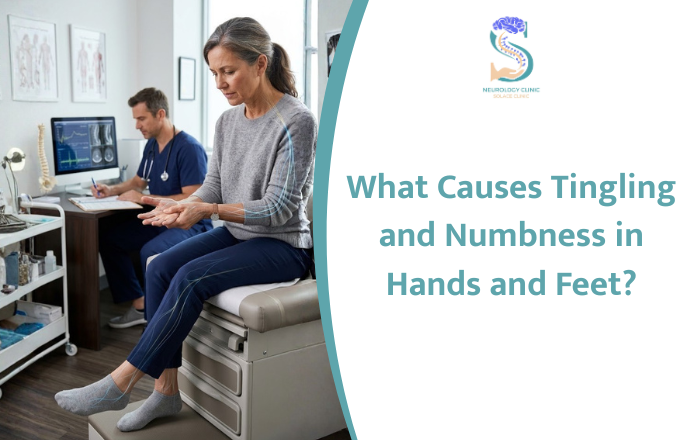
That prickly, “pins and needles” feeling after sitting cross-legged too long is something almost everyone has experienced. It’s usually harmless and fades within minutes. But when tingling or numbness shows up regularly, lingers longer than expected, or appears without any obvious cause, it can leave you wondering whether something more serious is going on.
Tingling and numbness — medically referred to as paresthesia — can stem from something as simple as poor posture or as significant as an underlying nerve condition. Understanding the difference is key to knowing when to relax and when to see a doctor.
Understanding Tingling and Numbness
Tingling and numbness happen when nerve signals between your hands, feet, and brain are disrupted. This disruption can be temporary, caused by pressure on a nerve, or ongoing, caused by nerve damage or an underlying medical condition.
Common Sensations People Describe
- A “pins and needles” prickling feeling
- Reduced sensitivity or complete numbness
- A burning or tingling sensation
- Weakness alongside the numbness
- Sensations that come and go or stay constant
Common Causes of Tingling and Numbness
1. Nerve Compression
Sitting, sleeping, or standing in certain positions can put temporary pressure on a nerve, causing brief numbness that resolves once the pressure is relieved. This is usually harmless and short-lived.
2. Carpal Tunnel Syndrome
Repetitive hand movements or prolonged wrist strain can compress the median nerve in the wrist, leading to tingling, numbness, and sometimes weakness in the hand and fingers, especially at night.
3. Diabetes and Peripheral Neuropathy
Long-term high blood sugar can damage peripheral nerves over time, most commonly causing numbness or tingling that starts in the feet and gradually moves upward.
4. Vitamin Deficiencies
Low levels of vitamin B12, in particular, can impair nerve function and lead to persistent tingling or numbness, especially in the hands and feet.
5. Poor Circulation
Conditions that restrict blood flow to the extremities, such as peripheral artery disease, can cause numbness, coldness, or tingling, particularly during physical activity.
6. Pinched Nerves in the Spine
A herniated disc or spinal nerve compression can send tingling or numbness down the arms or legs, depending on which nerve is affected.
7. Autoimmune Conditions
Conditions like multiple sclerosis or lupus can affect the nervous system directly, sometimes causing tingling or numbness as an early symptom.
8. Alcohol Use and Toxin Exposure
Excessive long-term alcohol use, along with exposure to certain toxins or heavy metals, can contribute to nerve damage and resulting numbness.
9. Infections
Certain viral or bacterial infections can affect nerve function, leading to temporary or, in some cases, lasting tingling sensations.
10. Anxiety and Hyperventilation
Intense anxiety or rapid breathing can alter blood chemistry temporarily, sometimes causing tingling in the hands, feet, or around the mouth.
When Tingling and Numbness Signal an Emergency
While most causes of tingling are manageable, some situations require immediate medical attention. Seek emergency care right away if numbness or tingling appears suddenly and is accompanied by:
- Sudden weakness or paralysis on one side of the body
- Slurred speech or confusion
- Vision changes
- Severe headache with no clear cause
- Loss of bladder or bowel control
These can be signs of a stroke or another serious neurological event, where prompt treatment makes a significant difference in outcomes.
How Tingling and Numbness Are Diagnosed
Because so many conditions can cause paresthesia, a neurologist will typically start with a detailed history and physical exam, followed by targeted testing that may include:
- Blood tests to check for diabetes, vitamin deficiencies, or thyroid issues
- Nerve conduction studies to assess how well nerves are transmitting signals
- Electromyography (EMG) to evaluate muscle and nerve function
- Imaging, such as an MRI, to check for spinal or nerve compression
Identifying the exact cause is essential, since treatment for a pinched nerve looks very different from treatment for a vitamin deficiency or an autoimmune condition.
Treatment Options for Tingling and Numbness
Treatment depends entirely on the underlying cause and may include:
– Addressing the Root Cause
This might involve managing blood sugar levels for diabetic neuropathy, correcting a vitamin deficiency through supplementation, or treating an underlying autoimmune or circulatory condition.
– Physical Therapy
For nerve compression issues like carpal tunnel syndrome or a pinched spinal nerve, targeted exercises and posture correction can relieve pressure and reduce symptoms.
– Medications
Depending on the cause, doctors may prescribe medications to manage nerve pain, improve circulation, or address an underlying condition directly.
– Lifestyle Adjustments
Reducing repetitive strain, improving posture, staying active, and limiting alcohol intake can all help prevent symptoms from recurring.
– Surgical Intervention
In select cases, such as significant nerve compression from carpal tunnel syndrome or a herniated disc, surgery may be recommended when conservative treatments haven’t provided relief.
When to See a Neurologist
While occasional tingling from sitting awkwardly is nothing to worry about, it’s worth scheduling a neurology consultation if you notice:
- Numbness or tingling that persists or worsens over time
- Symptoms that occur without an obvious cause
- Numbness accompanied by weakness or coordination problems
- Symptoms that interfere with daily activities or sleep
Conclusion
Tingling and numbness can range from a fleeting, harmless sensation to an early signal of an underlying nerve or health condition. Paying attention to how often it happens, how long it lasts, and what other symptoms accompany it can help you know when it’s time to seek professional evaluation. Getting the right diagnosis early often makes treatment simpler and more effective.
Frequently Asked Questions
Q: Is tingling in the hands and feet always serious?
A: No. Occasional tingling from sitting or sleeping in one position is usually harmless. Persistent or unexplained tingling, however, is worth having evaluated.
Q: Can stress cause numbness or tingling?
A: Yes. Anxiety and hyperventilation can temporarily alter blood chemistry, leading to tingling sensations, especially in the hands, feet, or around the mouth.
Q: What deficiency causes tingling in hands and feet?
A: Vitamin B12 deficiency is one of the most common nutritional causes of tingling and numbness, as it plays a key role in nerve health.
Q: How is nerve-related numbness diagnosed? A: Diagnosis often involves blood tests, nerve conduction studies, EMG testing, and sometimes imaging like an MRI to pinpoint the underlying cause.
Q: When should I see a doctor for tingling hands or feet?
A: If symptoms are persistent, worsening, unexplained, or accompanied by weakness or coordination issues, it’s best to consult a neurologist for proper evaluation.
Have questions? We’re just a message away! Contact us on WhatsApp — Click Here to Chat with Us
Get Expert Neurological Care
If you’re experiencing persistent tingling, numbness, or other nerve-related symptoms, don’t ignore them. Early diagnosis can help identify the underlying cause and ensure timely, effective treatment.
Consult Dr. Sumit Kharat, an experienced Neurologist with 9+ years of expertise, at Solace Neuro Clinic, Wanwadi, for a comprehensive evaluation, accurate diagnosis, and personalized treatment plan tailored to your needs.