

brief overviews of stroke, epilepsy, migraine, Parkinson’s disease, dementia, neuropathy, etc., plus how a neurologist helps diagnose and treat them.
Early Signs of Parkinson’s Disease: 10 Symptoms You Should Never Ignore
February 10, 2026
No Comments
Early Signs of Parkinson’s Disease: 10 Symptoms You Should Never Ignore
Recent Posts
Recent Posts
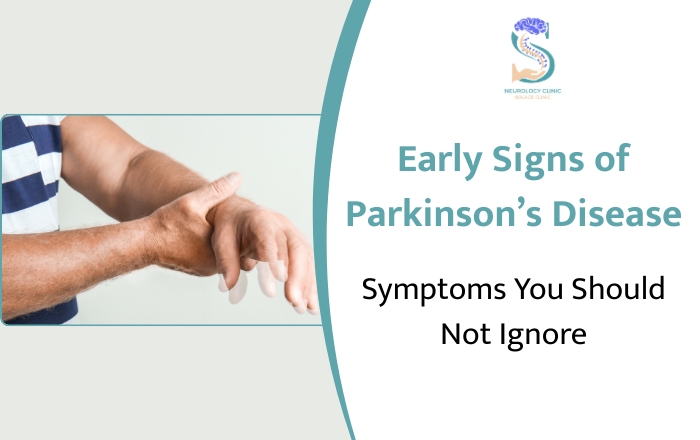
Imagine waking up one morning and noticing your hand trembling slightly as you reach for your coffee cup. Or perhaps your handwriting has become smaller, and you’ve been feeling unusually tired for weeks. These small changes might seem unimportant, but they could be early signs of Parkinson’s disease.
Parkinson’s disease affects over 10 million people worldwide. The challenge is that many people dismiss the initial symptoms as normal aging or stress. However, recognizing these warning signs early can make a significant difference in managing the condition and maintaining your quality of life.
In this article, we’ll explore the 10 early warning signs of Parkinson’s disease that you should never ignore, helping you understand when it’s time to consult a neurologist.
What Is Parkinson’s Disease?
Parkinson’s disease is a neurological condition that affects movement. It occurs when brain cells that produce dopamine a chemical messenger controlling movement begin to break down. While it commonly affects people over 60, younger adults can also develop this condition.
The key to managing Parkinson’s lies in early detection. When caught early, treatments work better, and you have more time to adjust your lifestyle accordingly.
10 Early Signs of Parkinson’s Disease You Shouldn’t Ignore
1. Tremors in Your Hands or Fingers
One of the most recognizable symptoms of Parkinson’s disease is trembling in your hands, fingers, or limbs—especially when you’re relaxed. This “resting tremor” often starts in one hand and may look like you’re rolling a pill between your thumb and finger. If you notice your hand shaking while watching TV or sitting quietly, it’s worth paying attention to.
2. Small, Cramped Handwriting
Have you noticed your handwriting getting smaller? This condition, called micrographia, is an early sign of Parkinson’s disease that many people overlook. If the letters in your writing are becoming noticeably tinier and crowding together, don’t brush it off.
3. Loss of Smell
Trouble smelling foods like bananas, coffee, or pickles can appear 5-10 years before other Parkinson’s disease symptoms. Up to 90% of people with Parkinson’s experience reduced sense of smell. If familiar scents seem weaker or disappear, talk to your doctor.
4. Trouble Sleeping and Sudden Movements
Do you act out your dreams by kicking, punching, or thrashing during sleep? This condition, called REM sleep behavior disorder, is a common early warning sign of Parkinson’s. Your partner might notice you talking or moving violently while asleep.
5. Muscle Stiffness or Rigidity
If your muscles feel tight and don’t relax, even after stretching, this could indicate Parkinson’s. You might notice reduced arm swing when walking, difficulty getting out of chairs, or a “frozen” feeling in your shoulders or legs. This stiffness is different from normal muscle soreness after exercise.
6. Changes in Walking and Posture
People with early Parkinson’s symptoms often develop a shuffling walk instead of their normal stride. You might feel like your feet are stuck to the floor, or you may develop a stooped, hunched posture. Balance problems and difficulty turning are also common signs.
7. Constipation and Digestive Problems
Chronic constipation is one of the earliest non-motor symptoms of Parkinson’s disease, sometimes appearing years before diagnosis. If you’re experiencing ongoing digestive issues without any clear cause, it could be related to Parkinson’s affecting your digestive system.
8. Soft, Quiet Voice
Has anyone told you they can’t hear you clearly? A softer, quieter voice called hypophonia is a common symptom of Parkinson’s. Your voice might sound monotone, hoarse, or breathy. People may frequently ask you to speak up or repeat yourself.
9. Lack of Facial Expression
If your face appears serious, sad, or mask-like even when you’re not upset, this could be a sign of Parkinson’s disease. You might blink less frequently, and others may think you’re angry or depressed when you’re actually feeling fine.
10. Unexplained Fatigue
Feeling constantly tired despite getting enough rest is a common but overlooked early sign of Parkinson’s. This isn’t normal tiredness it’s a deep exhaustion that doesn’t improve with sleep and can make simple tasks feel overwhelming.
Other Symptoms to Watch For
Beyond the main 10 signs, Parkinson’s disease can cause:
- Depression and anxiety
- Difficulty concentrating
- Dizziness when standing up
- Excessive sweating
- Urinary problems
When Should You See a Neurologist?
If you’re experiencing two or more of these symptoms of Parkinson’s disease, especially if they persist for several weeks, schedule an appointment with a neurologist. Don’t wait for symptoms to worsen.
Remember, these symptoms don’t always mean you have Parkinson’s—they can be caused by other conditions. Only a qualified doctor can provide an accurate diagnosis through physical examination and medical history review.
How Is Parkinson’s Diagnosed?
There’s no single blood test for Parkinson’s disease. Doctors diagnose it based on:
- Detailed medical history
- Physical and neurological examination
- Assessment of movement and coordination
- Brain imaging when necessary
The earlier you get checked, the sooner you can start treatment.
Treatment Options Give You Hope
While there’s no cure for Parkinson’s disease, several treatments can help manage symptoms:
- Medications like Levodopa help replace lost dopamine
- Physical therapy improves movement and balance
- Exercise programs keep muscles strong and flexible
- Speech therapy helps with voice and swallowing issues
- Lifestyle changes including diet and stress management
Starting treatment early makes a real difference in how well these therapies work.
Your Next Step
Recognizing the early signs of Parkinson’s disease isn’t about fear it’s about taking control of your health. If you’ve noticed any of these symptoms in yourself or a loved one, don’t ignore them.
Take action today. The sooner you consult with a neurologist who specializes in movement disorders, the sooner you can access treatments that help you maintain your independence and quality of life.
Get Parkinson’s Care in Wanwadi, Pune
If you’re experiencing any warning signs of Parkinson’s disease, reach out to Solace Neuro Clinic in Wanwadi, led by Dr. Sumit Kharat, an experienced neurologist specializing in Parkinson’s disease treatment.
Dr. Kharat provides:
- Accurate diagnosis through thorough neurological assessment
- Treatment plans tailored to your specific needs
- Compassionate care focused on improving your daily life
- Support and guidance for you and your family
Don’t wait for symptoms to get worse. Early diagnosis and treatment can help you live better with Parkinson’s.
📞 Contact Solace Neuro Clinic today
📍 Location: Wanwadi
🩺 Specialist: Dr. Sumit Kharat – Neurologist for Parkinson’s disease treatment
Your health matters. Take the first step toward better management of your symptoms today.